Vietnam/China
-
-
Off hours 9.00-17.30
Vietnam/China
Off hours 9.00-17.30

The U.S. government’s recent imposition of tariffs on Chinese aluminum products has disrupted global supply chains, forcing businesses to rethink their sourcing strategies. For industries reliant on high-performance alloys like 6061 aluminum (known for its weldability and corrosion resistance) and 6063 aluminums (ideal for extruded shapes), coupled with advanced diecast and CNC processing products, this policy shift demands a resilient alternative. Enter Made in Vietnam—a solution that combines tariff resilience, cost efficiency, and world-class manufacturing capabilities. Here’s why Vietnam is the smartest choice for aluminum production today.
1.Evade Tariffs with Vietnam’s Trade-Friendly Policies
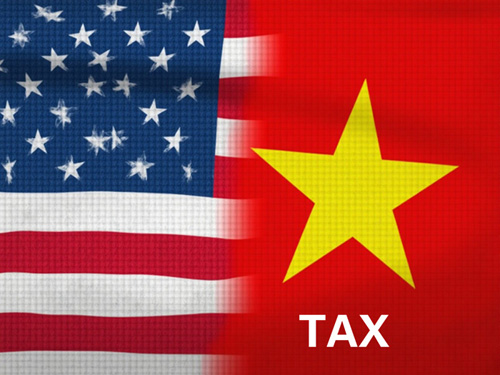
The U.S. tariffs target Chinese imports directly, but Vietnam’s strategic trade agreements offer a lifeline. Unlike China, which faces escalating tariffs across sectors like aluminum and EVs, Vietnam benefits from favorable trade terms with the U.S. and ASEAN nations. For example, Vietnamese exports to the U.S. have surged by 30% in recent years, partly due to its diplomatic balancing act and avoidance of punitive trade measures. By shifting production to Vietnam, businesses can bypass the 50% tariff burden while maintaining competitive pricing for diecast automotive components, CNC-machined enclosures, and structural profiles made from 6061 and 6063 aluminum.
2.Vietnam’s Advanced Manufacturing Ecosystem
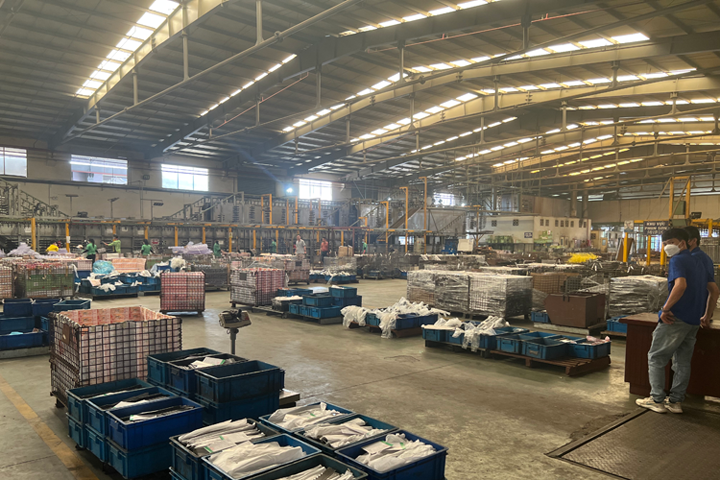
Vietnam’s aluminum industry is rapidly evolving to meet global standards. Facilities in Hanoi and Ho Chi Minh City specialize in precision die-casting and CNC processing, leveraging state-of-the-art equipment comparable to top Chinese manufacturers. For instance, Vietnamese factories produce 6061 aluminum parts for aerospace and automotive applications, mirroring the capabilities of Chinese suppliers which utilize ADC12 and A380 alloys. Similarly, 6063 aluminum extrusions—critical for construction and electronics—are manufactured with tolerances as tight as 0.008mm, ensuring compliance with U.S. and EU quality benchmarks.
Vietnam’s workforce is also a key asset. With labor costs lower than China’s, businesses can achieve significant savings without compromising on precision or scale.
3.Seamless Supply Chain Integration
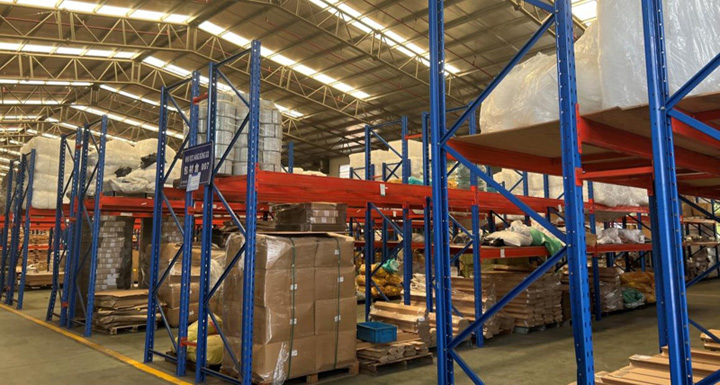
Vietnam’s proximity to China—its largest trade partner—ensures uninterrupted access to raw materials. Over 80% of Vietnam’s aluminum and machinery imports originate from China, enabling efficient production of **die-cast heat sinks**, automotive housings, and CNC-machined prototypes. Additionally, infrastructure projects like the Lao Cai-Hanoi-Haiphong Railway streamline logistics, reducing lead times for exports to the U.S. and Europe.
This integration is critical for industries requiring just-in-time delivery. For example, Vietnamese manufacturers can replicate the rapid turnaround of Chinese suppliers, which offers 24/7 CNC machining services, but with added tariff advantages.
4.Cost Efficiency Meets Quality Assurance
Vietnam’s operational costs are not only lower than China’s but also insulated from geopolitical risks. While Chinese exporters face anti-dumping duties in the EU (up to 48%) and the U.S., Vietnam’s participation in ASEAN trade pacts grants duty exemptions for key exports. Producing CNC processing products in Vietnam can reduce manufacturing expenses by 30-40% compared to tariff-laden Chinese imports.
Moreover, Vietnamese factories adhere to stringent quality controls. For instance, Chinese companies employ CMM measurement machines for 0.008mm precision—a standard now matched by Vietnamese competitors, ensuring parts meet ISO 9001 and IATF16949 certifications.
5.Future-Proofing Against Geopolitical Uncertainty
The U.S.-China trade war shows no signs of abating, with both Biden and Trump administrations escalating tariffs on aluminum and advanced technologies. Vietnam, meanwhile, is actively courting foreign investment through policies like streamlined approvals for tech projects (e.g., SpaceX’s Starlink). By establishing production lines in Vietnam now, businesses can hedge against future tariffs while tapping into a market projected to grow 6-7% annually.





Leave your thought here
Your email address will not be published. Required fields