Vietnam/China
-
-
Off hours 9.00-17.30
Vietnam/China
Off hours 9.00-17.30

The United States and Vietnam have reached a bilateral tariff agreement, under which Vietnam will implement zero tariffs on all goods imported from the United States and provide full market access for American products. In return, the United States has agreed to reduce its reciprocal tariff rate on Vietnamese imports from an initially proposed 46% to 20%. The agreement was announced by President Trump on July 2 and finalized following a telephone conversation between Trump and Vietnamese General Secretary Su Lin. This marks Vietnam as the first Asian country to conclude such a trade agreement with the Trump administration.
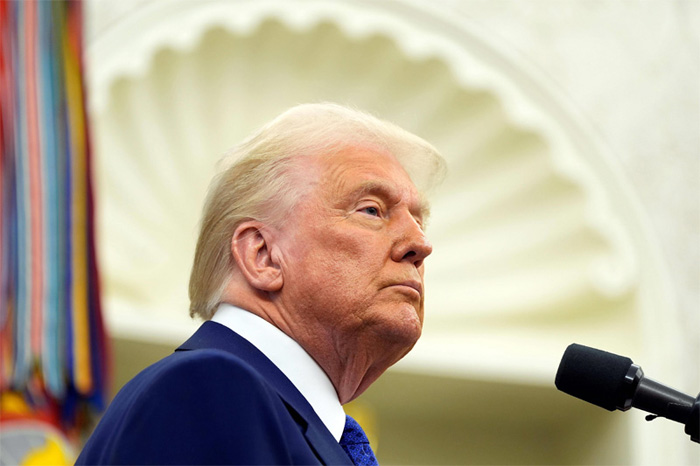
A key focus of the negotiations was addressing the circumvention of U.S. tariffs through third countries, particularly concerning Chinese exports routed through Vietnam. To address this issue, both parties agreed to impose a 40% tariff on goods assembled in Vietnam but suspected of containing significant non-Vietnamese content or originating indirectly from China.
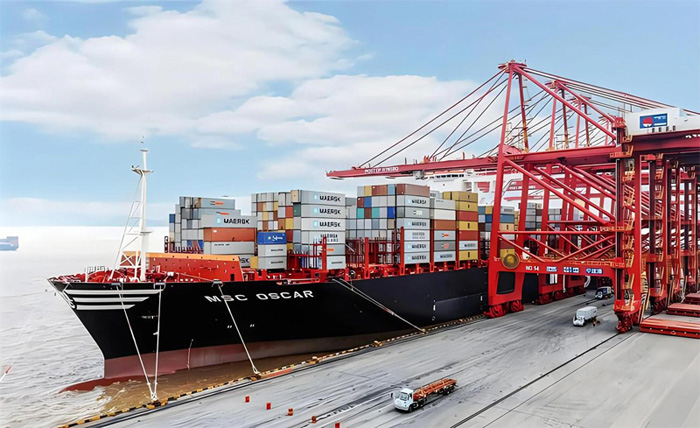
The backdrop of these negotiations is the substantial U.S. trade deficit with Vietnam, which stood at approximately USD 123.5 billion in 2024. Despite the new regulations, many Chinese companies operating in Vietnam have expressed optimism about the agreement. Most view the outcome as "better than expected" and believe that the additional tariff burden is manageable. Many Chinese entrepreneurs stated that the increased tariff cost would be shared with U.S. clients, and there are currently no plans to relocate operations.
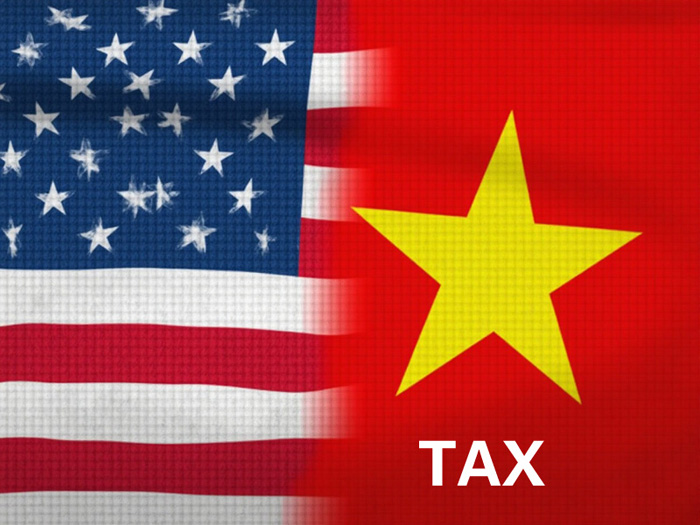
To prevent indirect exports and ensure genuine local production, the Vietnamese government has introduced stricter oversight measures. These require that core manufacturing processes occur locally and that the domestic value-added component exceeds 31%.





Leave your thought here
Your email address will not be published. Required fields